 62°
62° 57º | 67°
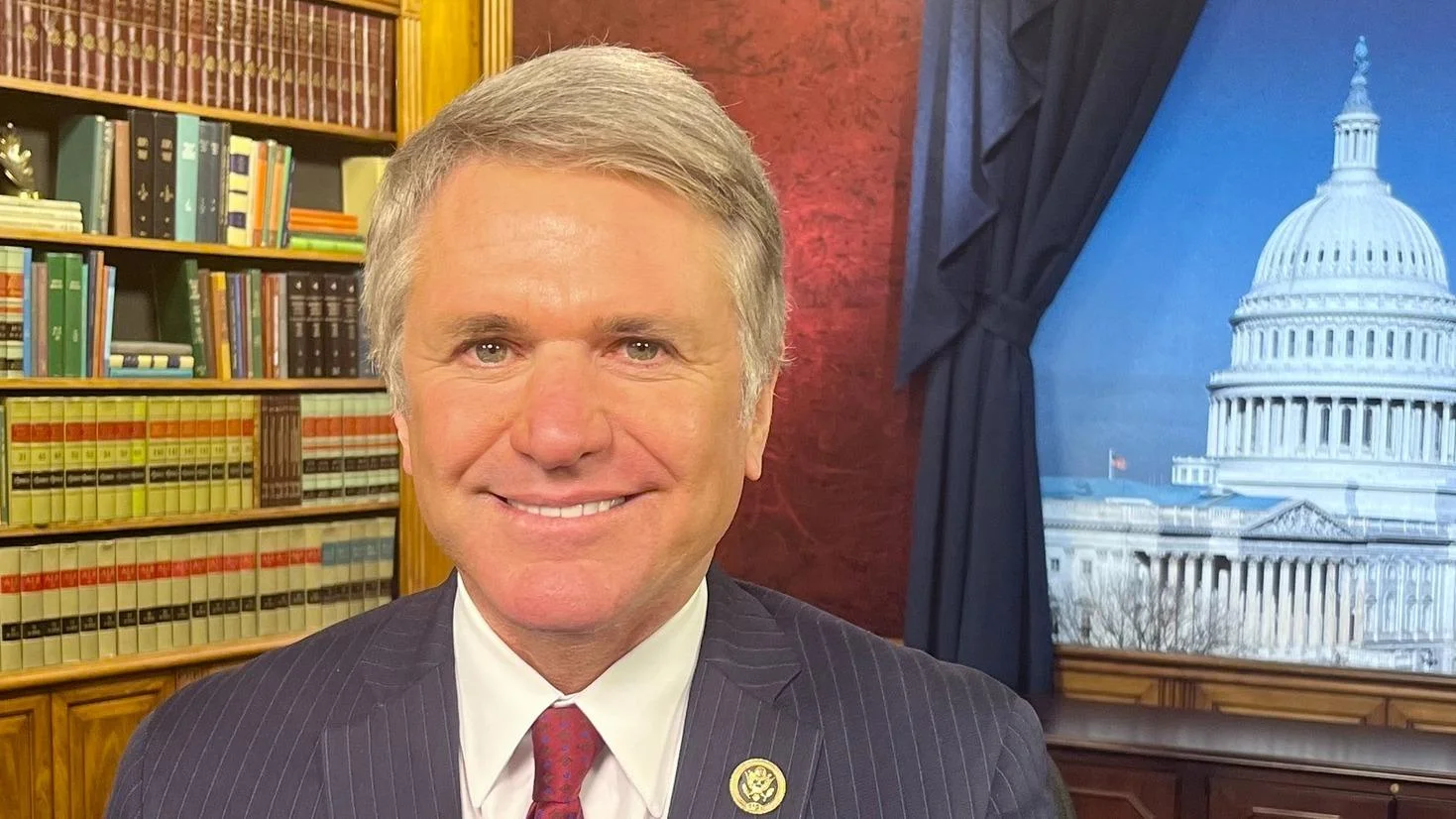
U.S. House Foreign Affairs Committee Chairman Emeritus Michael McCaul (R-Texas) participated in a subcommittee hearing focused on export control loopholes related to chipmaking tools and their subcomponents. The session, titled "Export Control Loopholes: Chipmaking Tools and their Subcomponents," addressed concerns about U.S. technology potentially aiding China's military development.
During the hearing, McCaul discussed his background with technology-related national security issues, referencing his time as a federal prosecutor at the Department of Justice in 1996. He stated, "This is an issue I think is so important. I worked on this when I was a young federal prosecutor at the Department of Justice in 1996. [I] prosecuted the campaign finance violations from China, Johnny Chung, [which] led us to the director of Chinese intelligence [and] China Aerospace, putting money into his Hong Kong bank account to influence the presidential election."
He added that China's interest was driven by its desire for dual-use satellite technology and membership in the World Trade Organization, as well as benefiting China Aerospace with U.S. technologies.
McCaul noted that since then, China has made significant progress. He explained his role in introducing the Chips for America Act during the Trump administration: "I introduced the Chips for America Act at the behest of Secretary Pompeo and Secretary Wilbur Ross in the first Trump administration to pull the manufacturing out of Taiwan, where 90% of the advanced production is made into the United States, so we can truly make America first in manufacturing of semiconductor chips. They got politicized unfortunately, but it’s working."
He expressed concern over sales of advanced chips to Chinese companies such as DeepSeek and referenced Nvidia's legal sale of such chips before current restrictions were implemented: "DeepSeek is disturbing to me because we sold [the technology] to them. Nvidia … and it was legal, in their defense, at the time, sold the advanced chips that allowed China to make the first AI DeepSeek technology. [This] is now banned and would be illegal under current law."
McCaul also pointed out how Chinese companies have evaded export controls by changing names or creating affiliates: "[China] can get around [export controls] real easy... Then they changed their name to Shanghai Biren Semiconductor Technology, and they get around [the export controls]."
To address these challenges, McCaul said he is working on legislation that would ban any affiliate 50% or more owned by a blocked entity from accessing sensitive technologies: "So, I’m working on legislation that would basically set a statutory standard that would ban any affiliate that is 50% or more owned by a blocked entity. Do you believe that would be helpful? And that would be at BIS in the Commerce Department, over which we have jurisdiction."
Chris McGuire from the Council on Foreign Relations responded positively: "Yeah, I completely agree... The best way to do that from a definition’s perspective as the China Committee... is just to do all 300-millimeter tools... There’s no way that you could make any advanced chips with any 200-millimeter wafer."
McCaul continued to express concerns about selling AI military-grade technology chips or manufacturing tools capable of producing such chips to China: "I see no reason...that we should be selling AI military-grade technology chips to China. And then number two,[sell] any manufacturing tools that could be used to make AI military-grade technology."
McGuire agreed again: "Completely agree. I think we should really block the Chinese comprehensively from being able to buy, make, or rent access to U.S. AI chips..."
Michael McCaul has held his congressional seat through several election cycles; he won reelection against Theresa Boisseau in 2024 with approximately 63% of votes and has maintained similar margins against previous opponents since 2014.